Anyone can spot a cracked windshield at a glance. A failing window regulator hides in the door and announces itself with subtler symptoms, a lazy passenger window, a driver’s glass that tilts forward and sticks, a rear door that clicks without moving. In Columbia’s heat and humidity, with frequent summer storms and pollen-heavy springs, a smooth, sealed window is not a luxury feature, it is daily comfort and security. When a regulator fails, the choice between repair and full car window replacement in Columbia depends on what broke, how your vehicle is built, and how quickly you need the car back in service.
I have spent years inside door panels of sedans that still smell like a new-car detail and work trucks caked in clay from job sites on Two Notch Road. Regulators are equal parts mechanical leverage and fragile cable routing. They work until they don’t, and when they don’t, the rest of the glass system, from weatherstrips to calibration of modern safety cameras, gets pulled into the conversation.
Why window regulators fail more often around here
Columbia delivers long stretches of hot parking-lot sun. Regulators sit behind a thin door card where interior temperatures can spike far above the ambient 98 degrees. Plastic pulley wheels and nylon sliders lose strength, grease dries, and vinyl vapor barriers droop. Then the afternoon thunderstorm rolls through, temperatures swing, and moisture condenses inside the door. Over a few seasons, the regulator’s cable sheath cracks, or the scissor pivots develop play. Add a window that you only roll down twice a week for a drive-thru coffee, and the grease forms ridges that cause sticking.
I see three patterns more than any others. On cable-style regulators, a metal ferrule slips, the cable birds-nests on the drum, and the glass drops crooked. On scissor-style units, the primary pivot either binds or the riveted sliders wear oval. On luxury European models, the glass mounting clips, often plastic, fracture, leaving the pane free to rattle while the regulator cycles quietly beneath it. Each failure sounds different, and learning the sounds saves time and money.
Quick signals you’re dealing with the regulator, not just the switch
It pays to isolate the issue before you call for service. Here is a short, reliable field test you can do in two minutes, no tools.
- Operate the window while watching the dome light. If it dims, the motor is drawing current but not moving the glass, likely a mechanical jam or stripped cable. If the light stays steady and you hear nothing, suspect the switch, fuse, or a broken harness in the driver’s door jamb. Press the button fully down and lightly pull up on the glass with your fingertips, evenly on both sides. If the window starts to move, the regulator is weak or the glass has slipped in its clamps. Listen for a double-click a second apart. First click is the relay, second is the motor’s thermal protector cycling. That usually points to binding tracks or a frayed cable. Note if the glass tilts more at the front or rear during movement. Tilt at the leading edge hints at a failing front guide or slider, tilt at the rear at a loose clamp or worn rear channel. Try both the door switch and the master switch on the driver’s door. If it responds to one and not the other, the regulator may still be intact, and you are looking at a switch or logic issue.
If you get any of those classic signs, prepare to replace the regulator or the entire window assembly. A reputable auto glass repair Columbia technician will run these same checks before quoting you.
The anatomy inside the door and what goes wrong
Most modern vehicles use one of two designs. The scissor regulator relies on two arms crossing at a pivot, with a gear or motor driving a toothed sector. It is robust, happily lifts heavy frameless glass, and resists side load. Cable regulators use a small motor winding a steel cable that rides over guide pulleys. The cable ends slide in plastic shoes that carry the glass up and down the tracks. This design saves weight and space, but it hates dirt and loves fresh lubrication.
Failures tend to cluster around predictable weak points. Cable fraying near the drum will show shiny strands, then a sudden tangle that sounds like gravel grinding in the door. Scissor regulators telegraph their age with a groan at mid-travel and a shudder as the gear wears. Mounting points tell tales too. If you find water trails inside the door, corrosion may have swollen the regulator’s rivet holes, creating slop that shows up as an inch of window rattle over bumps.
Two factors push a repair toward replacement. First, if the glass itself is chipped or scratched from running against a misaligned track, the friction will shorten the life of a new regulator, and you will be chasing the problem again. Second, if the door shell took an impact or a previous repair bent an inner brace, the geometry might be off enough that only a full reset with fresh tracks, clips, and sometimes a new glass will restore effortless motion.
When repair is reasonable, and when to schedule a full car window replacement
A clean, intact windshield crack repair columbia pane that still aligns to its frameless seal or framed weatherstrip can often be saved with a regulator replacement. Good shops keep popular regulator assemblies in stock, and the work falls in the one to two hour range. If the glass slipped in its clamp, a careful technician will re-seat it with the correct primer and adhesive and test for drift by cycling the window ten to fifteen times. Expect a quiet, confident glide when done correctly.
Full car window replacement in Columbia makes sense if the glass is cracked, deeply scratched, or the window tint has peeled and fused to the guides, which tears up sliders as you run the glass. Replacement also becomes the elegant choice when a regulator is discontinued and only available as part of a carrier plate and glass assembly. On some German models, pulling the carrier out as a unit and re-anchoring a fresh glass solves a dozen small problems at once. The cost lands higher up front, but saves repeat labor.
On SUVs and hatchbacks with shattered rear panes, rear windshield replacement Columbia customers often come in after a cargo mishap or a lawn trimmer riding a little too close. That rear glass typically carries a defroster and sometimes an antenna, so the wiring and trim handling matter as much as the sealant. If you heard a rattle for weeks before the break, the regulator in a rear door may also be on borrowed time, and addressing both sides of the vehicle together can be more efficient.
How regulators intersect with windshield work and modern safety tech
Windshield replacement Columbia work has changed radically in the last decade because many vehicles mount cameras and sensors behind the glass. After a new windshield is installed, a proper windshield calibration Columbia service resets lane departure and collision avoidance systems. That sounds unrelated to window regulators until you hit the alignment step. Doors with sagging windows leak air, which changes cabin pressure at speed and triggers odd harmonics around the windshield frame. If you replace a windshield and leave a maladjusted side window, the soft whistling at 60 mph can mask a genuine sensor buzz, and the tech spends extra time chasing what seems like a calibration fault.
Additionally, the electrical architecture in late-model vehicles ties window, mirror, and door control modules into the same network that monitors ADAS sensors. A shorted regulator motor can throw codes on a body control module that must be cleared before calibration proceeds. A good shop that handles both mobile auto glass repair Columbia and in-bay calibrations will sequence the work so that regulators are addressed before the camera is calibrated, keeping the job clean and avoiding rework.
The Columbia context: weather, roads, and your schedule
Between Five Points and Harbison Boulevard, commuters put stop-and-go miles on their vehicles in heat that cooks the interiors. Afternoon downpours soak seals. Pollen season fills tracks with sticky film. During USC move-in weeks, curbs get crowded, mirrors get bumped, and door frames take sneaky hits. I mention all of this because the environment sets the maintenance rhythm. If your windows cycle a dozen times a day for school drop-offs and parking garages, light annual service keeps them smooth. A quick wipe of the exposed channels with a lint-free cloth and a silicone-based conditioner on felt guides makes a surprising difference.
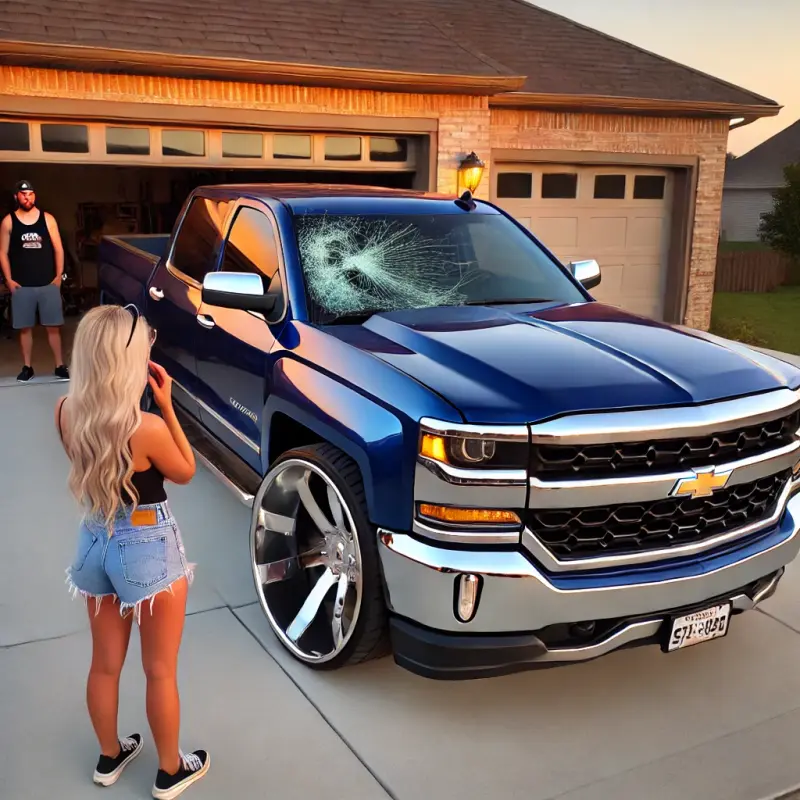
When a regulator does fail, mobility is king. Same day auto glass Columbia services can usually dispatch a mobile unit to your driveway or office. Window regulators, however, sometimes require a little more space and trim work than a roadside windshield chip repair Columbia visit. A skilled technician can do it mobile if weather cooperates and the door design is friendly, but if your car uses a large carrier plate or delicate veneer trim, the shop bay offers better lighting and fewer dust risks. The luxury choice is the one that protects your materials and returns the car pristine, not necessarily the fastest.
Insurance, cost clarity, and what to ask before you approve the work
Regulators fall into a gray area for coverage. Insurance auto glass repair Columbia policies often cover glass replacement for windshields and rear glass with comprehensive coverage and a clear deductible structure. Side window regulators, being mechanical, sometimes sit under general mechanical exclusions. That said, when a break-in shatters a side window and damages the regulator, the entire door repair might be covered as part of the loss. Document the damage, take wide and close photos that show the relationship between glass and door frame, and ask your adjuster to review them. A helpful shop can annotate the photos to show why a regulator is necessary, not optional.
Before approving the work, ask these pointed questions. What brand of regulator will be installed, OEM or premium aftermarket? Will the shop replace door vapor barriers and clips, or reuse them? Is new butyl or sealing tape included? How many window cycles will they test before releasing the car? If your vehicle has auto-up with pinch protection, will they reinitialize it and verify that it trips properly when blocked by a foam block? These are the quiet details that separate the best auto glass shop in Columbia from a general repair outfit.
What a careful regulator replacement looks like, step by step
The craft shows in the small touches. A seasoned technician lays down padded fender covers and a clean blanket along the sill to protect leather and wood. The door card comes off without a single broken clip because the right panel tools are used at the correct angles. Screws go into labeled trays so nothing rattles later. The vapor barrier is warmed, peeled evenly, and saved or replaced with fresh material if it tore previously. Only after the electrical connectors are documented does the motor get unplugged.
The glass is supported with suction cups or a brace, never just taped to the frame. On frameless doors, the window height and tilt are measured and noted so the new regulator can be set to the same baseline. Once the old unit is out, the tech cleans the guide channels with a gentle solvent and inspects for felt separation. If the original sliders left debris, it gets vacuumed, not brushed into the bottom of the door where it will recirculate. The new regulator is loosely mounted, the glass is set into its shoes, then the assembly is run up and down by hand where possible to confirm smooth travel before torquing fasteners to spec.
Electrical reconnection comes with a quick motor polarity test, which avoids an embarrassing first cycle in the wrong direction. If the vehicle has express up or anti-pinch, the reset sequence is performed, which might be a timed hold at full up or a programming routine through the scan tool. Finally, the door card goes back with new clips when needed, the vapor barrier sealed with consistent pressure, and any speaker wiring dressed to avoid buzzes. A road test follows to listen for wind at highway speed. The result should feel invisible, like the car rolled out of the showroom that way.
Where windshields and side glass overlap in service
If you are already booked for a windshield replacement Columbia appointment, consider whether any side windows have been slow or noisy. Bundling the work can save a trip and, in some cases, a portion of the labor when interior trim needs to be removed for both jobs. If your vehicle requires windshield calibration Columbia after the glass is replaced, completing any door module or regulator work first prevents an unnecessary second calibration. A good scheduler can group a rear windshield replacement Columbia and a front windshield in one day, with calibration in the same visit, as long as the weather and workspace allow.
Mobile auto glass repair Columbia crews are adept at triage. They will handle a windshield chip repair Columbia at your office in 30 to 45 minutes and can evaluate a sluggish regulator on the spot. If parts are available, same day auto glass Columbia service often means you get a firm slot later that afternoon for the regulator once the part arrives. For rare regulators, the honest answer you want is a realistic timeline, not a promise that keeps you waiting.
Materials, adhesives, and why not all regulators feel the same
There is a tactile difference between a budget regulator and a premium or OEM unit. The cable jacket material, the diameter and lay of the cable, the composition of the sliders, and the tolerances on the pulleys all show up in how the glass starts and stops. Cheap sliders chatter, better ones damp the motion. In scissor designs, the tooth profile and the blend where arms meet the pivot influence noise and longevity. A well-built regulator, properly lubricated with the right weight grease, will cycle thousands of times quietly.
Adhesives matter when glass is clamped into metal shoes. The correct primer ensures the adhesive bonds to the glass without attacking the tint. For a tinted luxury sedan in Columbia, where sun beats on that door for hours, using an adhesive rated for higher thermal cycles prevents the slow slip that turns into a dropped pane in August. When a shop says they treat adhesives as critical, not consumables, it tells you something about the work ethic.
Real examples from the field
A local attorney with a three-year-old midsize SUV brought in a driver’s window that would drop slightly at every stoplight, then pop back up on acceleration. Classic loose glass in clamps. The regulator looked fine, but the clamps had stretched and the adhesive had cold-flowed in heat. We cleaned the glass, primed the contact surfaces, replaced the clamps, and reinitialized the auto-up. Ninety minutes, and a year later the window still sits dead flush with the B-pillar chrome.
A contractor’s crew cab arrived with the rear driver-side window stuck down halfway after a weekend fishing trip on Lake Murray. Towels and duct tape had kept the summer thunderstorm out. The regulator cable had snapped at the drum where rust had crept under the jacket. The door held a pound of grit and lake dust. We vacuumed the inner sill, replaced the regulator with an OEM unit, and installed new vapor barrier material. He opted to schedule a windshield chip repair Columbia at the same time for a small star in the glass. Better to fix the chip than gamble on a crack across the field of view in August heat.
A performance coupe owner thought he needed a new windshield due to wind noise at 70 mph. The real culprit was a frameless window not rising the last quarter inch on door close, a regulator indexing issue. We reset the window stop and pinch calibration, cleaned the seal, and the noise vanished. No windshield replacement required, but we did inspect the glass and note a shallow chip to address later.
Selecting the right shop for refined results
Columbia has plenty of options, and the difference rarely shows until six months later. Look for a shop that treats doors as carefully as windshields. Ask if they stock panel clips and vapor barrier materials, not just glass and urethane. Ask to see a regulator out of the box so you know what you’re getting. If they handle both mobile and in-shop service, they will steer you to the environment that best protects your trim and electronics. A team that communicates clearly, shows you worn parts without drama, and sets expectations on parts availability earns trust quickly.
If your vehicle integrates advanced driver assistance, make sure the shop offers calibration on site or has a partner who does. Few things frustrate more than a dash light after a beautiful windshield install because the calibration step was skipped. Coordinating door work and windshield calibration Columbia tasks under one roof is not just convenient, it reduces risk.
Care after the repair: small habits that preserve the feel
You do not need rituals to keep windows healthy, just a few sensible habits. Avoid using windows as bump stops for parking cards and badges that drag dirt into the channels. Keep the upper seal clean with a damp microfiber cloth, especially after pollen peaks. If your car has automatic up, let it run rather than nudging the switch repeatedly, which heats the motor and confuses the controller. When freezing nights roll in, resist the urge to force a stuck window. Run the defroster for a minute and test with a gentle tap. That extra patience saves a cable.
Consider a yearly inspection when you schedule oil changes or tire rotations. A technician can listen to the windows cycle and add a touch of compatible lubricant where it helps. It costs little and extends the pleasant, quiet glide that makes a car feel expensive longer into its life.
The bottom line for Columbia drivers
When a window regulator starts to fail, it rarely fixes itself. Acting early keeps costs in check and protects interior materials from moisture and dust. Side window mechanics influence more than comfort, they affect cabin acoustics, door electronics, and even the workflow when you plan a windshield replacement Columbia or a rear windshield replacement Columbia. Choose a team that sees the whole picture. If you need mobile auto glass repair Columbia for a quick windshield chip repair Columbia today and a regulator appointment tomorrow, that coordination is worth paying for.
The best auto glass shop in Columbia earns the title by leaving no trace of the work beyond the absence of noise and the satisfying, even rise of the glass when you press the switch. It is the quiet confidence that comes from parts chosen well, steps executed carefully, and a respect for your time. Whether you seek same day auto glass Columbia convenience or a white-glove in-shop experience, insist on that standard. Your car will feel better every time you close the door.